A Codex workflow the marketing team can keep
Close to RM 40k / year versus outsourcing design and content. A system the whole team can use for stable, standardized content.

The pack was fixed. The calendar was not.
They outsourced content and marketing to an agency at about RM 40k for a fixed set of pieces. Useful, until something sat outside the schedule. Then the team had to make it themselves, hopping across AI tools, and the quality showed. The agency was set up to deliver the pack, not the exception. Turnaround stayed long because the job was the pack.
Pack. Patch. Then a route the team owns.
Buy a list. Live with the gaps.
The invoice bought a defined set. It did not buy a system.
About RM 40k for a fixed set of contents. Out-of-schedule work had no owner on the agency side. The marketing team became the overflow desk.

Many tools. No shared standard.
When the calendar moved, they opened another chat window.
Multiple AI tools, no shared route, quality that depended on who was rushing: a pile of exceptions with no shared marketing system.
One owner builds. I coach. The team runs it.
I am not the builder on this one.
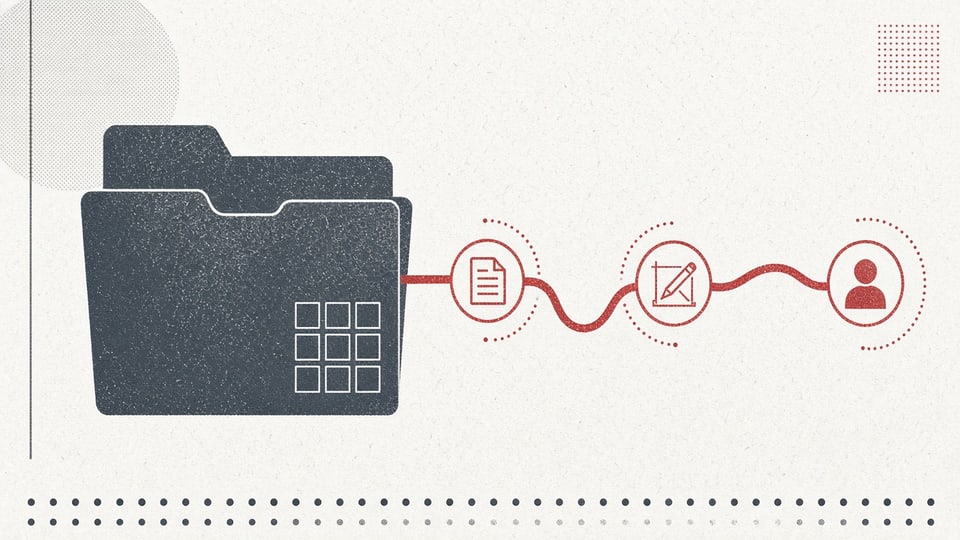
I sat with a spa / wellness marketing team and introduced a Codex workflow. One teammate builds and maintains it. We write the route so a request in ordinary language can go from facts, to draft, to a human check, to something the rest of the team can reuse. Planned work and the Tuesday exception use the same path. The capability stays in the folder.


What the system covers.
The folder is the marketing operating system. The team asks in ordinary language. The route picks the job. These are the functions, not extra results.
Plan a month of content
Check recent content and current facts. Prepare a reviewed multi-post plan. No images until that plan has been seen.
Develop one post idea
Clarify the customer message, check the facts, recommend copy and design direction, then wait for approval.
Make one out-of-schedule poster
An immediate piece outside the monthly plan. Ask only for missing essentials, confirm once, then produce on a flexible brand route. No plan file.
Write the Facebook post package
Campaign-scoped text that adds context and points back to the poster. It complements the visual. It does not repeat it. A human still reviews it.
Generate ideas from evidence
Build exactly the number asked, from customer evidence and current facts, before opening old posts or visual references.
Turn a real Google review into a post
Use the approved review evidence and a trust-proof design. No invented praise.
Package and promotion posts
Verify the current offer facts first: what is on, the price, the dates, the conditions, who signs it off. Missing facts block official production.
Produce the approved poster batch
Scoped production of what was approved. Isolated failures do not stop independent pieces. QC before anything is called ready.
Revise from plain feedback
Too messy. Too AI. The copy sounds off. The system translates ordinary comments into the right revision.
Record published results
After the team confirms it went live, log what happened and keep the learning for the next plan. Unknown numbers stay unknown.
Human yes. Then QC.
The system can research, plan, write, generate, and review. It does not publish, contact customers, or change ad spend on its own. Pending review is not approved. A pretty poster still fails if a fact, logo, or contact is wrong.
The number I will stand behind.
Close to RM 40k / year versus outsourcing design and content to an agency. I am not adding a quality score or a volume chart. What they have now is a system the whole team can use to deliver stable, standardized content.
~RM 40k
About RM 40k for a fixed set of contents. No other fee is published here.
~RM 40k / yr
Close to RM 40k / year versus outsourcing design and content to an agency.
With them
I coach. A team member builds and maintains. The rest of the team can run the same route.
What I would run again.
Coach the owner. Don't drop a finished folder.
If I build it and leave, they are back to an agency with a different logo. One named owner has to be able to maintain the route on a Tuesday.
Standardize the route before you ask for more volume.
A fixed pack fails the first time the calendar does something rude. Planned work and out-of-schedule work have to survive the same path.
A human still says yes.
A folder of skills is not a publish button. Someone still owns the fact and the final yes. That is how the output stays standardized.
Got a marketing pack that still leaves the exceptions with you?
Discovery is how we see whether a Codex workflow is worth your team building, with me in the room.